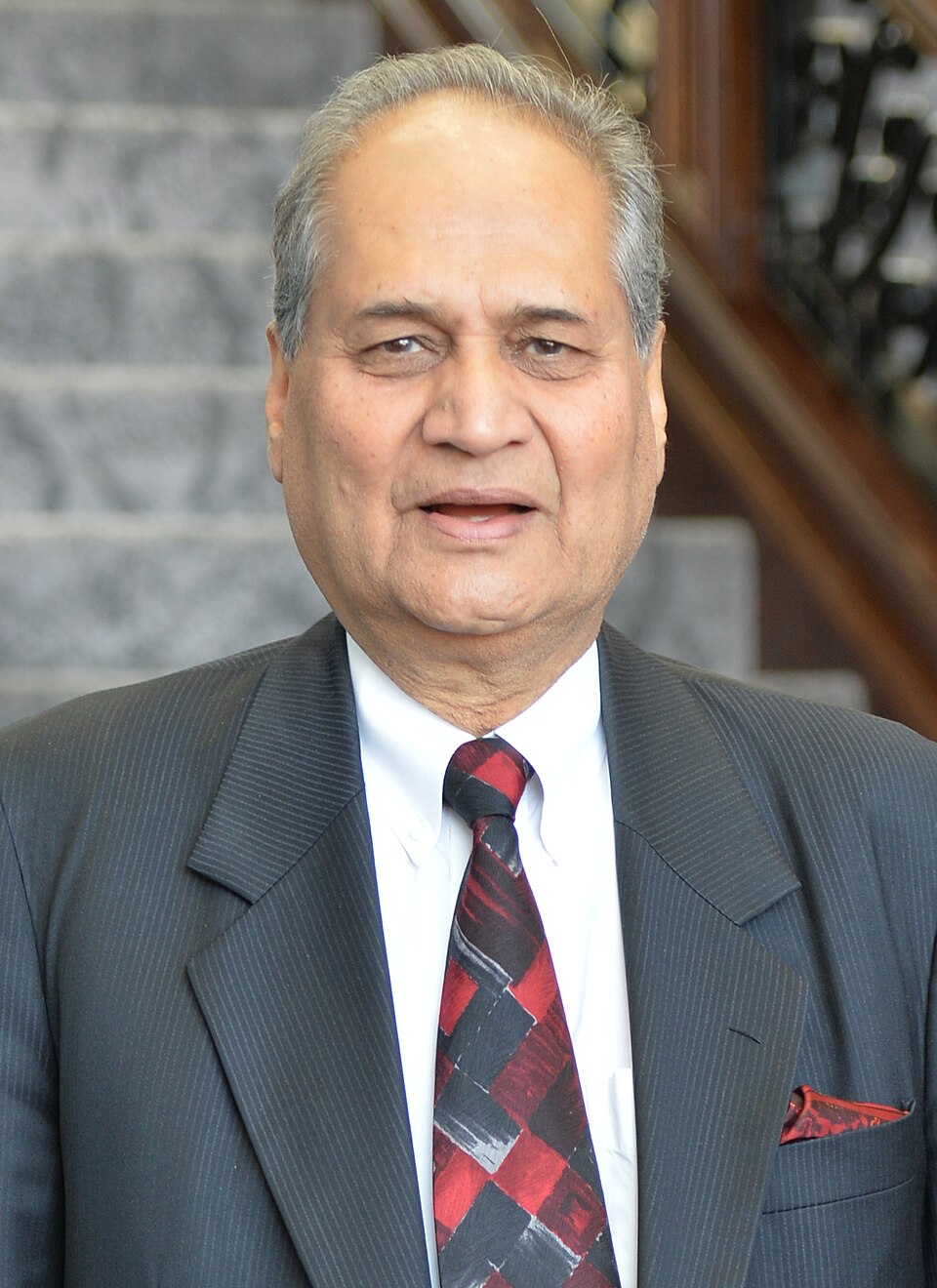
How Rahul Bajaj Built an $8.2 Billion Fortune with Bajaj Auto
Rahul Bajaj, an emblematic figure in Indian industry, didn't just inherit a business; he transformed it into a multi-billion dollar empire, leaving an indelible mark on the nation's economic landscape. As the patriarch of the Bajaj Group, his name became synonymous with quality, reliability, and the aspirations of a burgeoning middle class. His journey, marked by innovation, strategic diversification, and an unwavering commitment to excellence, culminated in a staggering
Rahul Bajaj's net worth of an estimated $8.2 billion at the time of his passing in 2022. But how did one man steer a family business to such monumental success, particularly through the iconic Bajaj Auto? Let's delve into the visionary leadership that crafted this immense fortune.
The Genesis of a Giant: From Family Legacy to Global Vision
Born on June 10, 1938, in Kolkata, Rahul Bajaj was destined for a life of business. He hailed from a lineage deeply entrenched in entrepreneurship and philanthropy, with his grandfather, Jamnalal Bajaj, having founded the Bajaj Group in 1926. This familial foundation provided a unique platform, yet it was Rahul's unique blend of intellect, foresight, and determination that propelled the group to unprecedented heights.
His academic journey equipped him with a global perspective, culminating in an Economics degree from Harvard University in 1962. This international exposure, combined with his inherent business acumen, prepared him for the monumental task ahead. Upon returning to India, he officially took the reins of the Bajaj Group in 1965, inheriting a firm with potential but requiring a clear direction to truly thrive. He understood that to build a significant
Rahul Bajaj's net worth journey, he needed to revolutionize the core business and strategically expand its horizons.
Steering Bajaj Auto to Dominance: The Scooter Revolution
Under Rahul Bajaj's leadership, Bajaj Auto quickly became the jewel in the Bajaj Group's crown. The company, initially focused on manufacturing motorcycles and scooters, found its true calling in catering to the transportation needs of a rapidly modernizing India. The 1970s marked a pivotal era, as Bajaj Auto began to dominate the Indian two-wheeler market with an offering that transcended mere utility: the Bajaj Chetak scooter.
The Chetak wasn't just a mode of transport; it was a cultural phenomenon, a symbol of aspiration and independence for millions of Indian families. In an era of limited choices and burgeoning middle-class dreams, owning a Chetak signified economic progress and social standing. Bajaj Auto, under Rahul's meticulous guidance, prioritized quality, reliability, and affordability, making its products accessible and trustworthy. This commitment fostered an unparalleled brand loyalty that few companies could rival. Rahul Bajaj's strategic insight during this period was crucial: he recognized the immense untapped potential in mass-market personal mobility and capitalized on it with a product that resonated deeply with the national psyche. His ability to scale production while maintaining quality during the challenging "License Raj" era showcased his operational prowess and resilience.
Diversification and Global Footprint: Expanding Beyond Two-Wheelers
While Bajaj Auto was a resounding success domestically, Rahul Bajaj's vision extended far beyond India's borders and beyond just two-wheelers. He understood that sustained growth and a robust *rahul bajaj net worth* would require strategic diversification and global ambition. His foresight led Bajaj Auto to expand its international presence, transforming it into one of the largest manufacturers of motorcycles and three-wheelers globally, with significant operations in numerous countries across Africa, Latin America, and Asia.
Beyond automobiles, Rahul Bajaj engineered the group's diversification into vital sectors like finance, insurance, and later, even electric vehicles. This was not merely an opportunistic expansion but a calculated move to build a resilient conglomerate, leveraging the strong brand equity of Bajaj and addressing the evolving needs of the Indian economy.
*
Bajaj Finance: Recognizing the need for accessible credit, particularly for consumer durables and two-wheelers, Bajaj Finance grew into a leading non-banking financial company (NBFC), offering a wide array of lending solutions.
*
Bajaj Finserv: This entity brought together the group's financial services businesses, including insurance (life and general), and wealth management, creating a comprehensive financial ecosystem.
*
Electric Vehicles: Staying ahead of the curve, Bajaj Auto also ventured into electric mobility, adapting to future market trends and demonstrating a continuous commitment to innovation.
These strategic shifts not only broadened the group's revenue streams but also cemented its position as a diversified business powerhouse, insulating it from cyclical downturns in any single sector. This visionary approach significantly contributed to the overall value of the Bajaj Group and, consequently, to Rahul Bajaj's personal fortune.
Unpacking Rahul Bajaj's $8.2 Billion Fortune
The culmination of decades of astute leadership and strategic decision-making was reflected in Rahul Bajaj's impressive estimated net worth. As of his passing in 2022, Forbes estimated his wealth at a remarkable US$ 8.2 billion, positioning him among India's wealthiest individuals and a prominent global billionaire. This figure showcases the monumental growth of his empire, especially considering his net worth was estimated at $2.4 billion in 2016, illustrating a rapid and substantial increase in the latter part of his career.
The primary driver of this immense fortune was his substantial ownership stake in Bajaj Auto. The company, even today, boasts a market capitalization exceeding ₹1.5 trillion (approximately $20 billion), firmly establishing it as a top-tier automotive manufacturer in India. Beyond Bajaj Auto, his wealth was intrinsically linked to the performance and value of other key entities within the diversified Bajaj Group, including Bajaj Finserv and Bajaj Holdings & Investment.
Several factors underpinned this extraordinary growth in his net worth:
*
Market Dominance and Brand Value: Bajaj Auto's enduring market leadership and strong brand recall ensured consistent profitability and investor confidence.
*
Strategic Diversification: The successful ventures into finance and insurance created new, high-growth revenue streams that contributed significantly to the group's overall valuation.
*
Global Expansion: Venturing into international markets provided new avenues for growth, reduced dependence on a single market, and enhanced the group's global standing.
*
Operational Efficiency and Innovation: A relentless focus on lean manufacturing, continuous product innovation, and customer satisfaction maintained Bajaj's competitive edge.
*
Strong Corporate Governance: Rahul Bajaj was known for his ethical business practices and strong governance, which fostered trust among investors and stakeholders.
Aspiring entrepreneurs can glean invaluable lessons from Bajaj's trajectory: the importance of building a strong, trusted brand, the wisdom of strategic diversification, and the courage to adapt and innovate in an ever-changing economic landscape. His journey underscores that true wealth is built not just on financial assets but on the enduring value created for customers, employees, and the nation.
Conclusion
Rahul Bajaj's life was a testament to entrepreneurial spirit, visionary leadership, and a deep commitment to nation-building. From revolutionizing personal transportation with the iconic Bajaj Chetak to diversifying into finance and electric vehicles, his strategic acumen transformed a family business into a multi-faceted conglomerate. The estimated $8.2 billion *rahul bajaj net worth* at the time of his death is a powerful symbol of his unparalleled success, but his true legacy extends far beyond mere financial figures. He built an institution that continues to thrive, generating employment, fostering innovation, and contributing significantly to India's economic prowess. His journey remains a powerful narrative of how focus, quality, and a bold vision can indeed build an enduring fortune and a lasting impact.