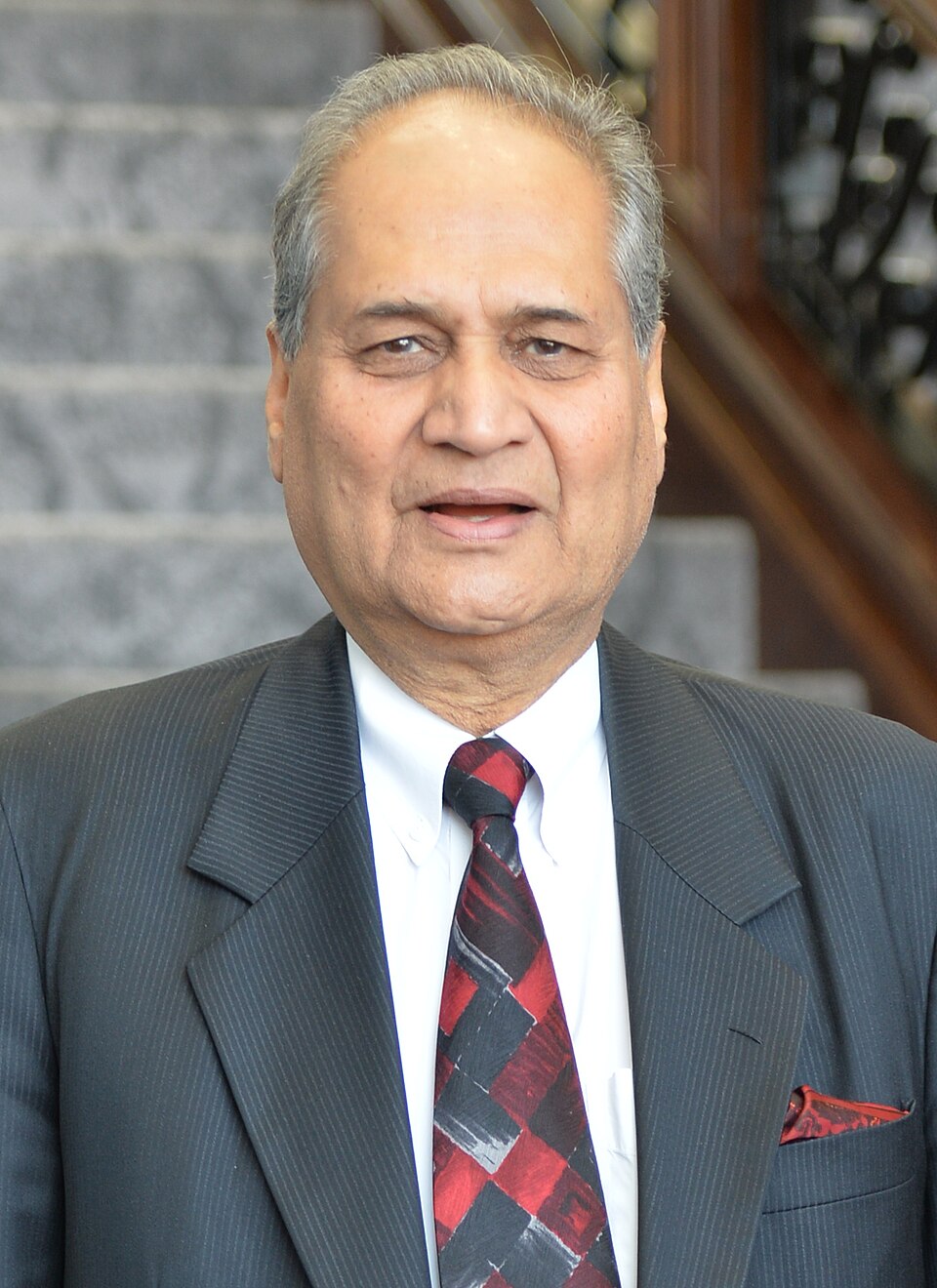
Rahul Bajaj's Billion-Dollar Legacy: Inside His Net Worth
Few names resonate with the power, prestige, and entrepreneurial spirit of India quite like Rahul Bajaj. A towering figure in the nation's industrial landscape, Bajaj transformed his family business into a global conglomerate, leaving an indelible mark on everything from two-wheelers to financial services. His journey was not just about building businesses; it was about shaping an economy and influencing generations of aspiring industrialists.
For many, Rahul Bajaj became synonymous with the 'Hamara Bajaj' slogan, a testament to the iconic scooters that symbolized the aspirations of India's burgeoning middle class. But beyond the popular imagery, lay a financial empire of significant magnitude. This article delves deep into Rahul Bajaj's net worth, exploring the sources of his immense wealth, the strategic decisions that fuelled its growth, and the enduring legacy he left behind.
The Architect of an Empire: Rahul Bajaj's Vision and Early Foundations
Born on June 10, 1938, in Kolkata, Rahul Bajaj was destined for a life of business. He inherited a rich lineage from his grandfather, Jamnalal Bajaj, a close associate of Mahatma Gandhi and a well-established industrialist and philanthropist. This strong foundation provided fertile ground for Rahul to cultivate his own entrepreneurial vision.
Rahul’s intellectual prowess was evident early on. After completing his education, including a degree in Economics from the prestigious Harvard University in 1962, he returned to India. The year 1965 marked a pivotal moment when he took the reins of the Bajaj Group. Under his dynamic leadership, what was then a relatively modest firm began its extraordinary transformation into an industrial powerhouse.
His initial focus was on the automotive sector, where he championed innovation and unwavering quality. The result was the iconic Bajaj Chetak scooter, which became more than just a mode of transport; it was a cultural phenomenon, a symbol of independence and prosperity for millions of Indians. Rahul Bajaj understood the pulse of the nation, delivering products that resonated with the common man while maintaining international standards of engineering and design.
Unpacking Rahul Bajaj's Billion-Dollar Fortune: The Astonishing Figures
By the time of his passing in 2022, Rahul Bajaj's financial achievements had cemented his place among India's wealthiest individuals. According to Forbes, his estimated Rahul Bajaj net worth stood at a staggering US$ 8.2 billion. This incredible figure placed him prominently on the global list of billionaires, a testament to decades of astute business acumen and strategic foresight.
The growth of his wealth was remarkable, particularly in the latter part of his career. As recent as 2016, Forbes had estimated his net worth at $2.4 billion, illustrating a substantial increase of nearly $6 billion in just six years. This sharp acceleration can be attributed to several factors:
- Market Dominance: Bajaj Auto, the flagship company, maintained a strong hold on the Indian two-wheeler and three-wheeler market, consistently delivering robust profits.
- Strategic Diversification: Rahul Bajaj was not content with success in just one sector. He skillfully guided the group into new, high-growth industries.
- Global Expansion: His vision extended beyond India's borders, establishing Bajaj Auto as a significant player in international markets, especially across Africa, Latin America, and Southeast Asia.
- Valuation Growth: The market capitalization of the companies within the Bajaj Group, particularly Bajaj Auto, experienced significant appreciation, directly impacting the value of his holdings.
While his individual fortune was monumental, it's also worth noting the broader financial strength of the Bajaj family. They ranked #10 on Forbes India’s 2024 Richest List, underscoring the collective economic power built through generations of business leadership. To understand the trajectory of his wealth building, explore From Scooters to Billions: Rahul Bajaj's Net Worth Journey.
Beyond Two Wheels: Diversification and the Broader Bajaj Group
While Bajaj Auto remained the bedrock of Rahul Bajaj's fortune, his genius lay in recognizing the importance of diversification. He understood that relying on a single industry, no matter how dominant, carried inherent risks. Under his leadership, the Bajaj Group strategically expanded into a formidable conglomerate with a presence across multiple high-growth sectors.
Key areas of diversification included:
- Financial Services: The group ventured into finance and insurance through entities like Bajaj Finserv and Bajaj Finance. These companies capitalized on India's expanding consumer base and growing demand for credit and protection, becoming major contributors to the group's overall profitability and enhancing Rahul Bajaj's net worth.
- Home Appliances: Tapping into the burgeoning needs of Indian households, the group also established a significant presence in the home appliance market.
- Electric Vehicles (EVs): Demonstrating foresight into future trends, Bajaj Auto also made strategic moves into the electric vehicle space, positioning the group for long-term sustainability and growth in a rapidly evolving automotive landscape.
This multi-pronged approach not only insulated the group from sector-specific downturns but also opened new avenues for revenue generation and market expansion. Bajaj Auto itself continued to thrive, with a market capitalization exceeding ₹1.5 trillion (approximately $20 billion), solidifying its position among India's top automotive manufacturers. Rahul Bajaj's substantial stake in this profitable venture, coupled with his holdings in the diversified arms of the group, formed the core of his remarkable wealth. For a deeper dive into the strategies that propelled his primary automotive venture to such heights, read How Rahul Bajaj Built an $8.2 Billion Fortune with Bajaj Auto.
A Titan's Legacy: Impact on Indian Business and Society
Rahul Bajaj's legacy extends far beyond his impressive net worth. He was a statesman of industry, a fierce advocate for Indian manufacturing, and a voice of conscience in economic policy debates. His leadership style was characterized by a blend of traditional values and modern vision, a commitment to quality, and an unwavering belief in India's potential.
As a Member of Parliament, he contributed to public life, bringing his extensive business experience to policy-making. He was known for his candid views and fearlessness in articulating the concerns of Indian industry, often challenging government policies in the interest of long-term economic growth. His entrepreneurial journey inspired countless others to pursue their ambitions, demonstrating that homegrown businesses could not only compete but also excel on a global stage.
The Bajaj Group, under his stewardship, became a benchmark for corporate governance and ethical practices. His emphasis on building lasting relationships with customers, employees, and stakeholders created a strong foundation for the group's continued success, long after he stepped down from active leadership.
Conclusion
Rahul Bajaj's life was a testament to visionary leadership, relentless pursuit of excellence, and a deep understanding of market dynamics. His estimated Rahul Bajaj net worth of US$ 8.2 billion at the time of his passing stands as a monumental achievement, reflecting not just personal wealth but the incredible growth and diversification of the Bajaj Group under his guidance. More than just a billionaire, he was an institution, a symbol of industrial might, and a key architect of modern India's economic story. His legacy of innovation, quality, and unwavering integrity continues to inspire, ensuring that the 'Hamara Bajaj' spirit lives on.
